Why Toasted Spices Smell Different
Why toasted spices smell different comes down to dry heat and volatile aromas; learn to spot the shift, avoid scorching, and choose what to do next.
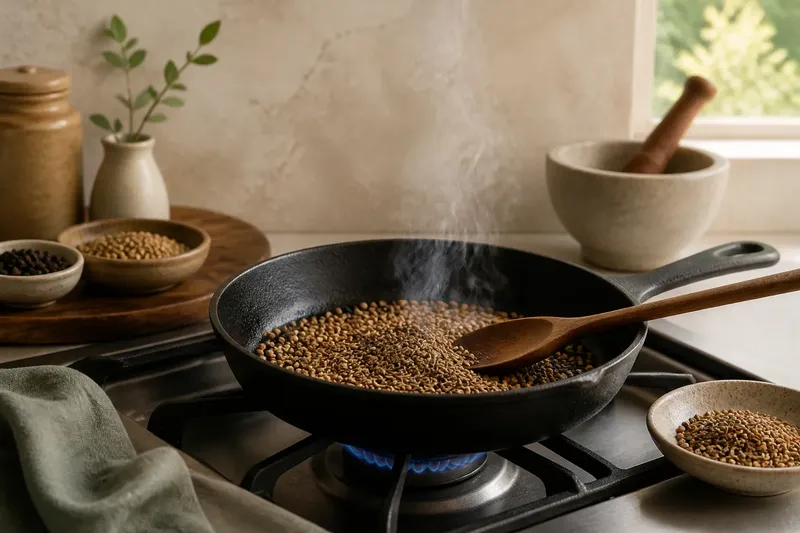
Why toasted spices smell different is easiest to understand at the stove: a pan of whole cumin seeds can move from dusty and quiet to warm, nutty, and vivid, then to acrid if the heat keeps going. The useful question is not how long to toast them, but what the aroma is telling you before the pan gets ahead of you.
Dry heat changes the compounds that reach your nose, while warming also helps volatile aromatic oils escape from the spice. The result is not one universal “toasted” smell. Cumin may grow earthy and rounded; coriander can turn citrusy and sweet; black pepper may smell woody and sharper. The shift depends on the spice, its age, its size, and how it meets the pan.
Why toasted spices smell different in the pan
Whole spices hold aromatic compounds within their structure. As they warm, some become easier to smell because heat releases them into the air. Other changes happen as dry heat reacts with compounds in the spice, developing aromas that were less apparent before. This is why toasted coriander can seem sweeter than raw coriander, and why cumin often acquires a deeper, more roasted character.
The pan is not simply extracting flavor like hot water steeping tea. It is heating a relatively dry ingredient, and the surface can become much hotter than the spice’s interior. A seed may therefore smell ready before every part has warmed evenly. Stirring helps distribute contact with the pan; moderate heat gives you more time to notice the change.
Toasting does not make every spice more pleasant. It shifts the balance. A bright, floral note may recede as warmer, toastier notes come forward. For a dish that depends on fresh, high notes, raw or briefly warmed spices may suit it better than a deeply toasted batch.
The aroma stays faint or dusty
If the pan smells much like the spice jar, the seeds may not have warmed enough, or the pan may be crowded. A thick layer insulates the spices from direct contact with the pan and makes it harder to stir them evenly. A damp pan or spices that have absorbed moisture can also delay the clean, dry aroma you are looking for.
Spread the spices in a loose layer and keep them moving with a wooden spoon. Use low to medium heat rather than turning the burner high to hurry things along. Give the pan a moment to warm, then smell from a comfortable distance; leaning over hot cookware is a poor way to learn anything about cumin.
If the aroma remains dull, check the spice itself. Old whole spices can lose much of their fragrance, and heat cannot restore what has faded. Crush one seed between your fingers before cooking. If it barely smells like anything, replace it or use a different spice rather than extending the toast indefinitely.
The smell changes unevenly
A few seeds may smell toasted while others still seem raw. This commonly happens when the pieces vary in size, the layer is uneven, or the pan has hotter and cooler areas. Whole spices are not interchangeable little timers: a small mustard seed and a large cardamom pod respond at different rates.
Toast one type of spice at a time when their sizes differ noticeably. Shake the pan or stir continuously, scraping across the center and edges rather than circling one spot. If you are working with a mixture, add the larger, slower-warming spices first and the smaller ones later, or toast them separately and combine them afterward.
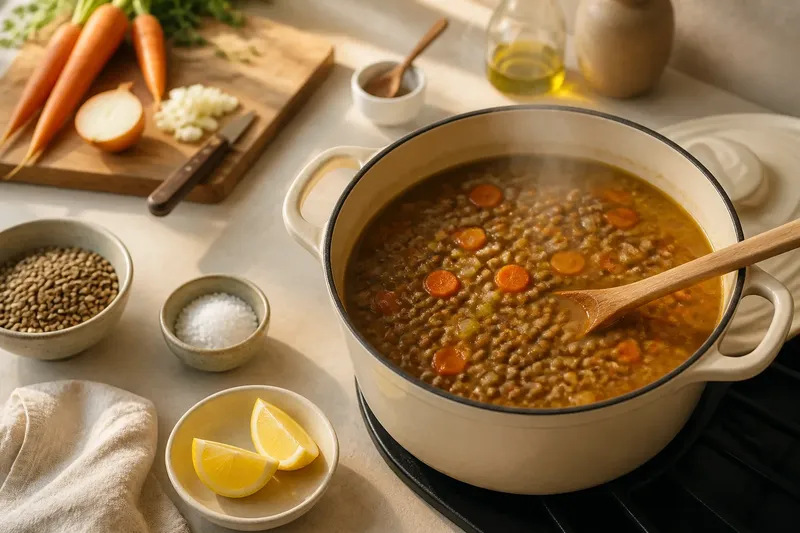
Say you are preparing cumin and coriander for a lentil dish, and the coriander begins to smell sweet while several cumin seeds remain quiet. Move the coriander to a plate, then continue warming the cumin until its earthy scent becomes clear; combine them after both have cooled. The expected sign is two distinct aromas, neither masked by the other’s uneven progress.
The aroma turns sharp or burnt
A sudden bitter, smoky, or acrid smell means the spices have gone past their useful point. Dry spices contain little moisture to buffer direct heat, so their surfaces can scorch quickly. Darkening may accompany burning, but color alone is an unreliable cue: some spices are naturally dark, and lighting changes what you see.
Take the pan off the burner as soon as the smell turns harsh. Transfer the spices to a cool plate rather than leaving them in the hot pan, where residual heat can keep cooking them. If they smell burnt, do not try to disguise the batch with extra salt or other spices; start again with fresh ingredients and gentler heat.
For a stovetop with strong burners, use a heavier skillet or a smaller flame. A cast-iron pan retains heat well, so it may need to come off the burner before the aroma reaches its fullest point. A thin stainless-steel pan responds more quickly to adjustments but can develop hot spots. Follow the cookware maker’s guidance and any relevant food-safety instructions for your equipment.
When should you grind toasted spices?
Should spices cool before grinding?
Let them cool until they no longer feel hot to the touch. Warm spices can release aroma quickly, but a hot spice grinder may trap steam or smear oils against the container.
Can you toast ground spices?
You can, but ground spices heat and scorch faster because more surface area meets the pan. Stir constantly over low heat and stop as soon as the aroma becomes distinct; for a first attempt, whole spices are easier to read.
When should toasted spices go into a dish?
Add them at the point your recipe calls for, considering whether the dish will continue cooking. For a long-simmered stew, the aroma will have time to spread through the liquid; for a finishing garnish, freshly ground spices can keep more of their brighter notes.
Can you toast spices ahead?
Yes, if you cool them fully and store them in an airtight container away from heat, light, and moisture. For the liveliest aroma, grind them close to the time you plan to use them.
Choose the stopping point by smell
A practical sequence is simple: begin with a dry pan and clean, whole spices; warm them over moderate heat; keep them moving; smell for a clear change; then remove them before the scent turns sharp. The exact point varies, so treat aroma as the main signal and appearance as supporting evidence.
Use your nose in brief checks rather than waiting for a dramatic cloud of fragrance. A subtle shift is enough: raw and dusty becomes distinct and rounded, or faintly grassy becomes sweet and citrus-like. If you are unsure, remove the pan from the heat for a moment. You can always return it to gentle warmth; you cannot undo a scorched batch.
Toasting whole spices is a small adjustment with a noticeable effect on a dish’s character. For why toasted spices smell different, remember the practical distinction: warmth releases and reshapes aroma, while excessive heat burns it. Stop when the spice becomes recognizable in a fuller way, not when the kitchen smells like an announcement.